
Are You Ready to Love Your Skin?


Santa Monica Dermatology
WE ARE DEDICATED TO PROVIDING THE BEST DERMATOLOGY CARE AVAILABLE TODAY.
Award winning Santa Monica dermatologist Mary Lee Amerian MD, George Anterasian MD, and their excellent staff are thrilled to offer you the best skin care available today. Over the past thirty years, we’ve helped thousands of women and men obtain the best looking and healthiest skin possible. We customize our skin care therapies to the particular needs of each individual patient, offering treatments for general dermatology, acne and acne scarring, dermal fillers(including Botox, Juvederm, and Daxxify), laser procedures, sun spots, liver spots, wrinkles, and more.

WORLD CLASS
FACILITIES
We use state-of-the-art technology and advanced techniques so you receive the best treatment.

EXPERT
DOCTORS
Treatments from our world class experts who train medical and aesthetic professionals.

COMPLEMENTARY
CONSULTATIONS
Our board certified dermatologists can help you reach your specific skin care goals.
Why Choose Us As Your Santa Monica Dermatologist?
Your skin is unique, and you deserve personalized care from experienced professionals who prioritize your well-being.
Expertise and Experience
Our team of board-certified dermatologists and highly skilled practitioners brings a wealth of knowledge and experience to the table. With years of practice in the field, we have a deep understanding of various skin conditions and the most effective treatments available. Whether you require treatment for acne, skin cancer, aging skin, or any other dermatological concern, you can trust that our experts will provide you with the highest standard of care.
State-of-the-Art Technology
We believe in staying at the forefront of dermatological advancements, which is why we invest in cutting-edge technology and state-of-the-art equipment. By utilizing the latest tools and techniques, we can deliver more precise diagnoses and highly effective treatments. From advanced laser therapies to innovative cosmetic procedures, our commitment to staying abreast of emerging trends ensures that you receive the most advanced and reliable solutions for your skin care needs.
Comprehensive Services
At the Santa Monica Laser and Skin Care Center, we offer a wide range of dermatological services to address all aspects of skin health. Whether you require medical dermatology, cosmetic treatments, or skin cancer screenings, our comprehensive services cater to your specific needs. Our experts take a holistic approach to skin care, combining medical expertise with aesthetic considerations to deliver well-rounded and personalized treatments.
Patient-Centric Care
We believe that exceptional dermatological care goes beyond treatments and procedures. We strive to create a warm, welcoming, and comfortable environment where you feel heard and valued. From the moment you step into our center, our friendly staff will ensure that your needs are met with care and compassion. We take the time to listen to your concerns, thoroughly explain treatment options, and develop personalized treatment plans tailored to your unique goals and preferences.
Proven Results
Our track record speaks for itself. Over the years, we have helped numerous patients achieve remarkable results and regain their confidence in their skin. We are proud of the transformations we have facilitated and the positive impact we have made on our patients’ lives. Our dedication to delivering exceptional outcomes drives us to continually improve and refine our techniques, ensuring that you receive the best possible results.
At the Santa Monica Laser and Skin Care Center, we are committed to providing you with the highest quality of care, utilizing advanced technology, and delivering personalized treatments to help you achieve optimal skin health. Trust us with your dermatological needs, and experience the difference our expertise and patient-centric approach can make. People have been trusting us as their Santa Monica Dermatologist for decades. Contact us today to schedule your consultation and take the first step toward healthier, more beautiful skin.

SANTA MONICA DERMATOLOGIST
Meet Our Doctors
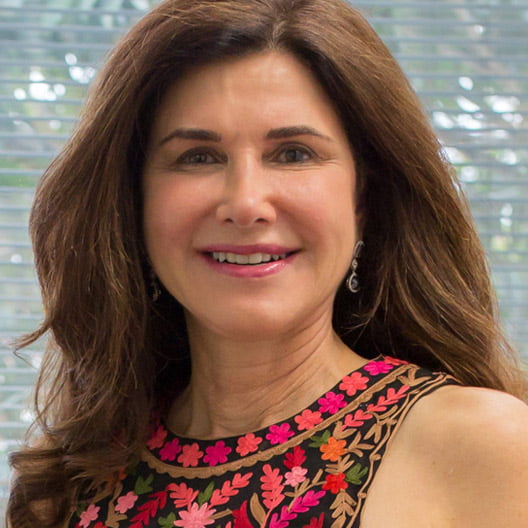
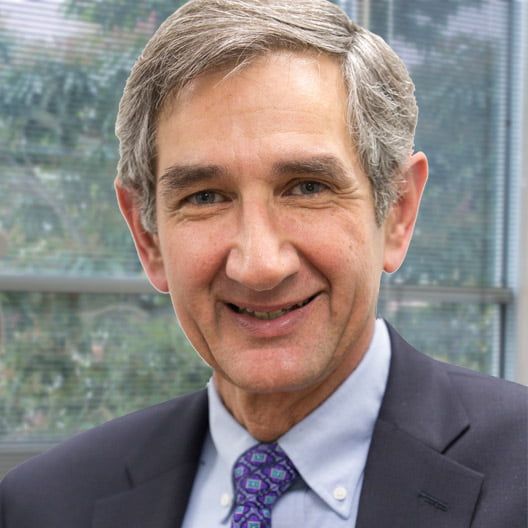
SANTA MONICA DERMATOLOGIST
Meet Our Doctors

WHAT WE OFFER
Dermatology Services

DERMAL FILLERS
We offer several top of the line dermal fillers including Botox, Daxxify, Juvederm, and Kybella to deliver natural results. Dermal fillers and injectables can plump the skin, add volume for a more youthful appearance, get rid of pesky lines and wrinkles, and much more.

LASER TREATMENTS
Our team uses state of the art laser technology as a highly effective means of reducing dark spots and birthmarks, eliminating unwanted facial veins, reducing the appearance of fine lines and wrinkles, smoothing over scars and eliminating broken blood vessels.

BODY CONTOURING
We offer several body contouring treatments that address stubborn fat. Cellulite, spare tires, muffin tops, and saddlebags are often hereditary in nature and can not be eliminated by lifestyle changes, diet, or exercise. Our advanced, non-invasive body contouring devices in our Santa Monica Dermatology office allow for shaping the body, without undergoing surgery.

MEDICAL DERMATOLOGY
We know beautiful skin is important to you. That’s why Mary Lee Amerian MD, George Anterasian MD, and their excellent staff are thrilled to offer you the best skin care available today. Over the past thirty years, we’ve helped thousands of women and men in Santa Monica and Los Angeles obtain the best looking and healthiest skin possible. We customize our skin care therapies to the particular needs of each individual patient.

SPA/AESTHETIC
We offer a full range of spa treatments to pamper and soothe our clients, while providing aesthetic benefits that help their skin. Our highly trained aestheticians offer customized facials, chemical peels, acne treatments, microdermabrasion, waxing, and permanent makeup that are uniquely tailored to each client’s needs.

PREMIUM PRODUCTS
Shop our medical-grade luxury products from premium brands carefully curated to help you relax, refresh and glow! We stand behind the products we offer. The doctor carefully select the best products from the top brands. We guarantee that when you buy products from us, you get the best quality available.